More Than Needles
Individualized Treatment
Each treatment begins with a thorough assessment to understand your presentation, movement patterns and contributing factors. This may include postural assessment, orthopedic testing and manual muscle testing to help identify the underlying drivers of pain or dysfunction.
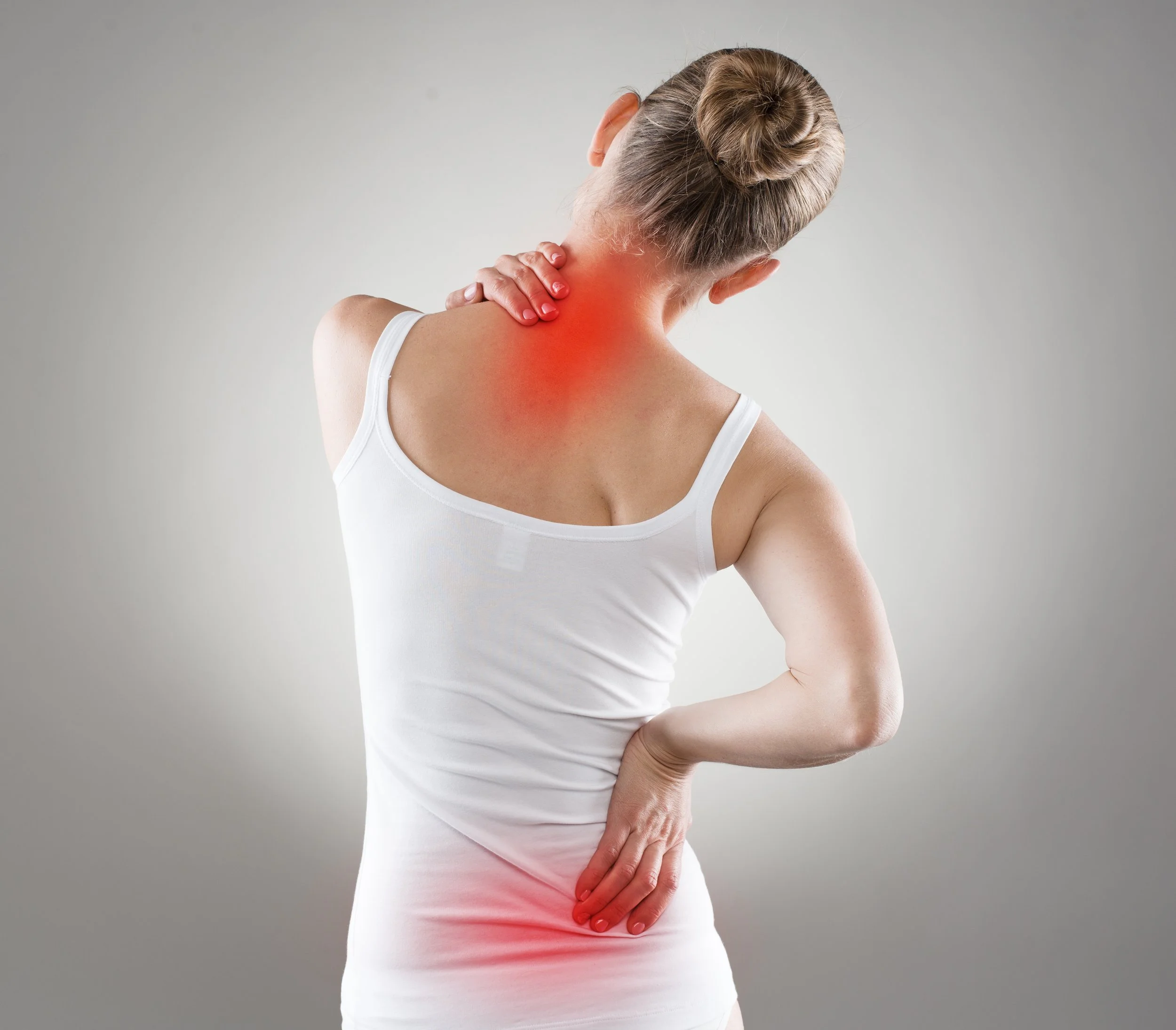
Many musculoskeletal conditions are influenced by nerve entrapments, fascial adhesions and biomechanical imbalances.
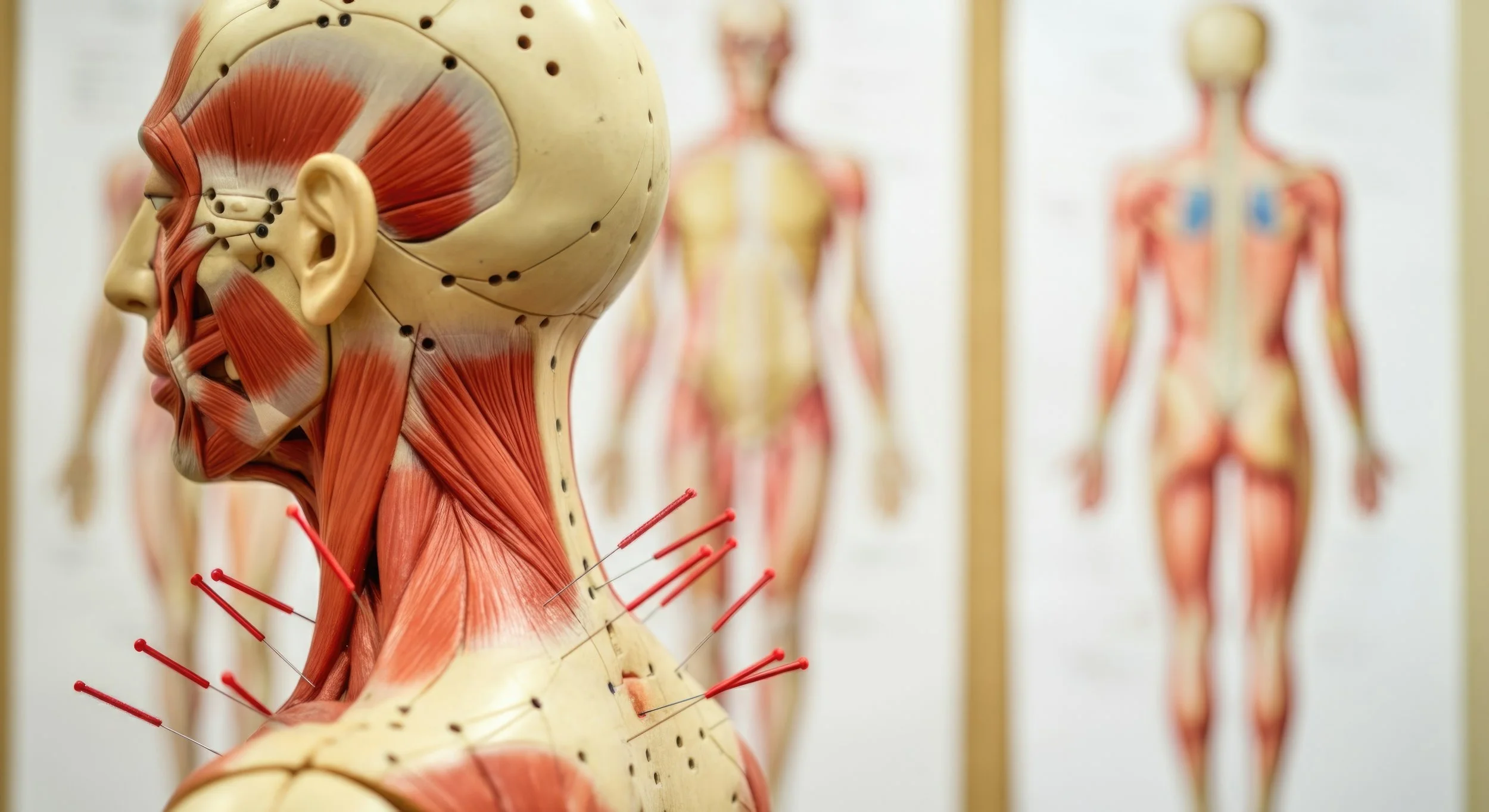
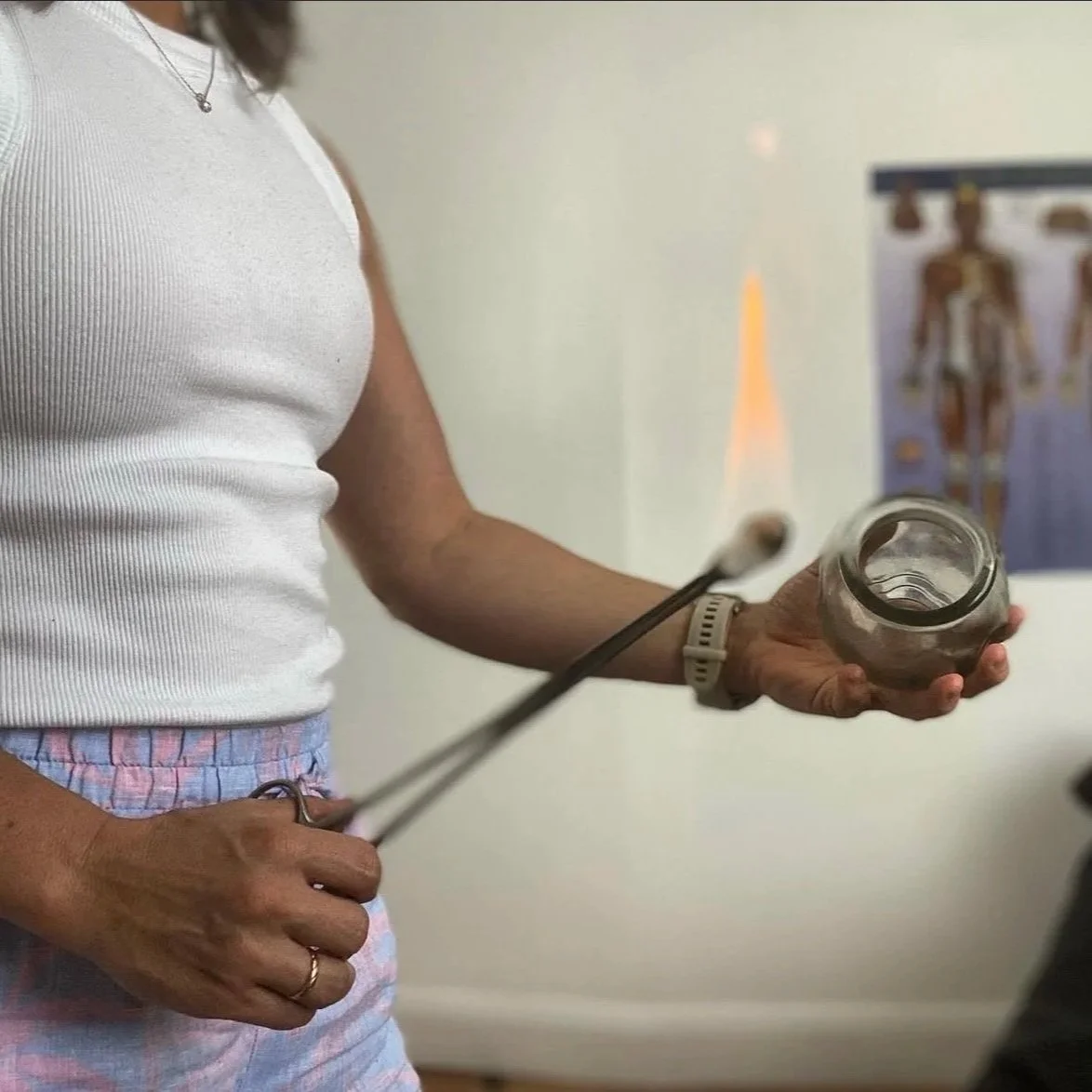
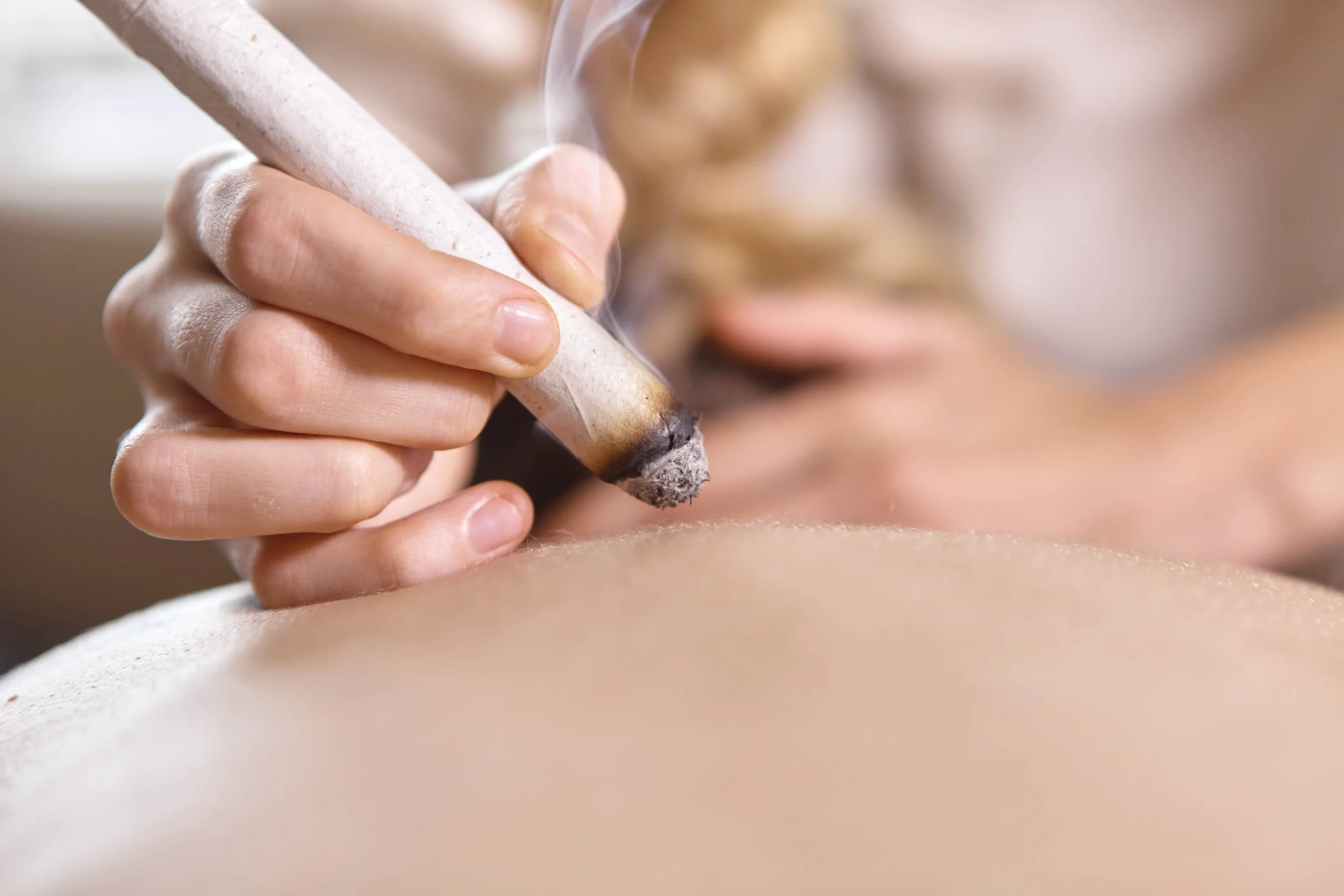
Treatment is tailored to you and may include a combination of Acupuncture (including Motor Points and Traditional TCM theories), soft tissue techniques, cupping, moxibustion (moxa) and joint mobilisations - focusing on addressing the underlying drivers of pain and dysfunction, not just the symptoms.
Bryony works one-on-one with clients, allowing full focus of the session to be dedicated to your care, assessment and treatment without distraction or overlap between patients.
Understanding The Treatment Process
Acupuncture is often cumulative in nature with treatment effects building over time. While some people experience noticeable changes after their first session, lasting improvement is typically achieved through a series of treatments tailored to your individual presentation, health history and goals.
The body’s healing adaption and processes take time. Factors such as the duration of symptoms, severity of injury, lifestyle, stress levels and overall health can all influence recovery. For this reason, treatment recommendations are based on clinical findings and are reviewed regularly as progress is made.
The goal is is not simply to provide temporary relief, but to support meaningful and lasting improvements in function, recovery and overall wellbeing.
What Is Acupuncture And What Is The Difference To Dry Needling?
Acupuncture is an evidence informed treatment that involves the insertion of fine, sterile needles into specific points on the body to stimulate the nervous system and support the body’s natural healing processes.
Reseach suggests Acupuncture can influence pain modulation, blood circulation, tissue healing, muscle function and the release of neurochemicals involved in pain and recovery.
It is essential to distinguish between Dry Needling and Acupuncture, as they are distinct therapeutic modalities. Acupuncture is a comprehensive system rooted in Traditional Chinese Medicine, dating back 5000 years and now requires practitioners to undergo extensive training, including over 1000 hours of clinical practice during their studies. This rigorous preparation ensures a deep understanding of anatomy, TCM principles, meridian theory, and a holistic approach to health. On the contrary, Dry needling typically involves a much shorter training period, often just a day or two. It primarily focuses on relieving musculoskeletal pain, using techniques used by Acupuncturists for thousands of years. While both use needles, Acupuncture offers a holistic approach to address overall well-being and treats a wide range of health conditions by restoring balance in the body, while Dry Needling is more limited in scope and primarily focuses on specific pain relief and not further regulated.
Further research is constantly being conducted on Acupuncture and its mechanisms with exciting information always coming available closing the gap between Eastern and Western Medicines.